Bay Area, CA · Interested in robotics software, manipulation, robot learning, and systems roles.

Robotics engineer building manipulation, perception, and automation systems that move from prototype to real-world deployment.

I'm Harsh, currently a Robotics Systems Engineer at Google (via AutoRoboto), previously at Peanut Robotics. Rose-Hulman and CMU trained, focused on the intersection of classical robotics and learned policies.

Selected work

Highlights
Google AutoRoboto
System Integration · Google (via AutoRoboto)
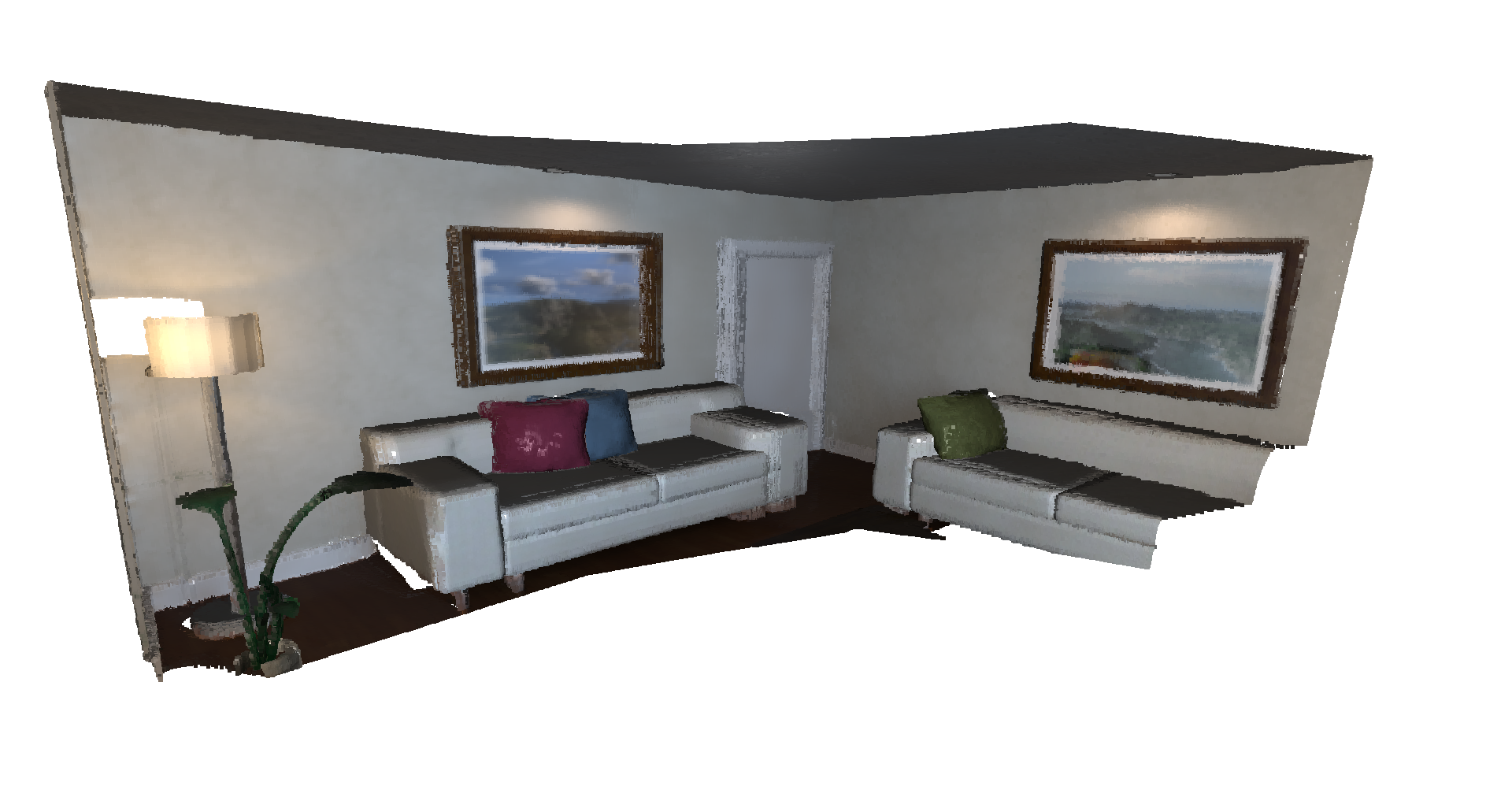
Automated biometric testing for Pixel
Robotic system for hardware security testing on Pixel devices. Led ROS1→ROS2 migration and refactored the node architecture for tight robot/camera synchronization.
ROS2 xArm MoveIt System Design
Peanut Robotics
Mobile Manipulation · Jul 2022 to Apr 2024
Robotics Engineer at Peanut Robotics
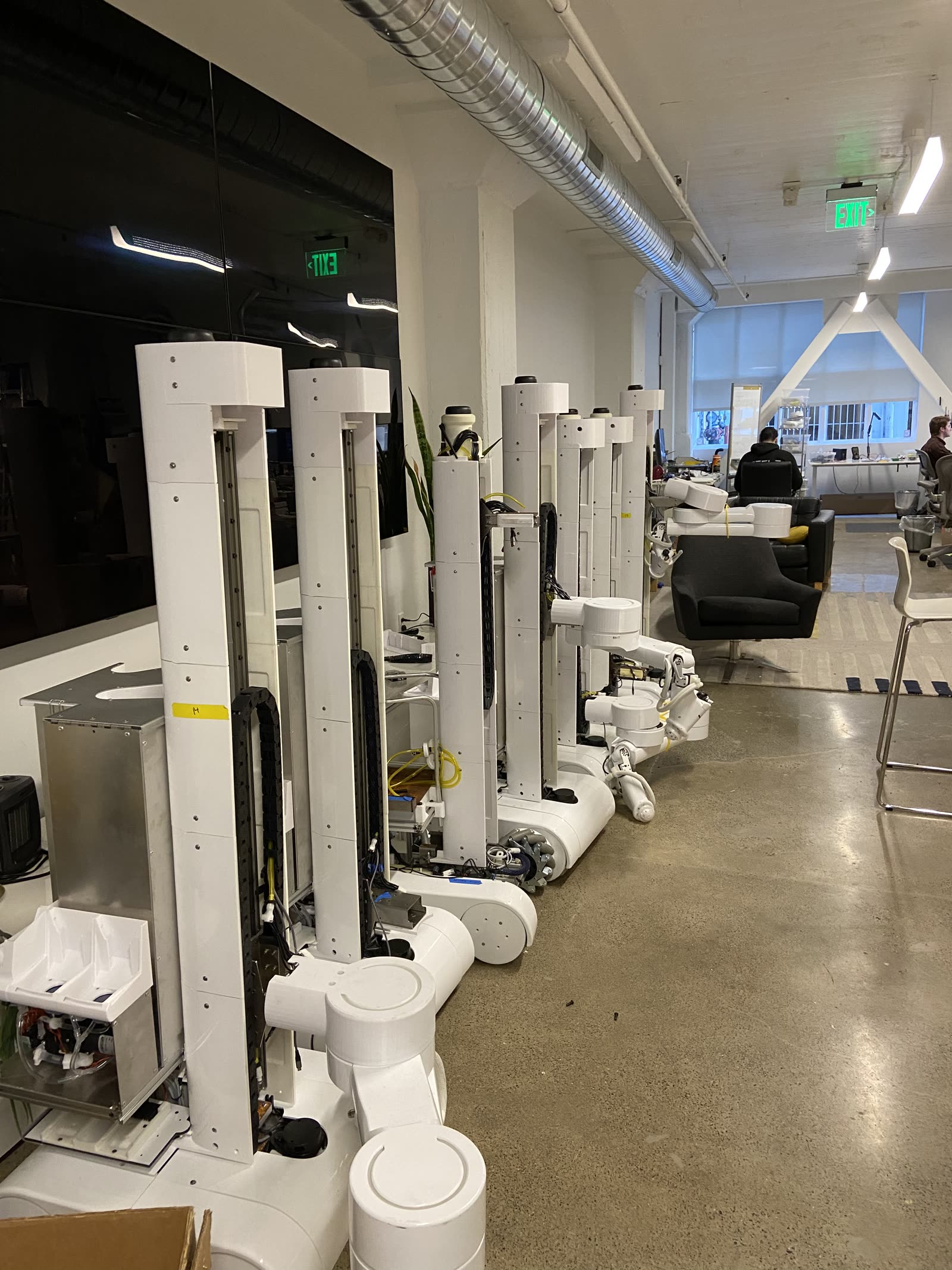
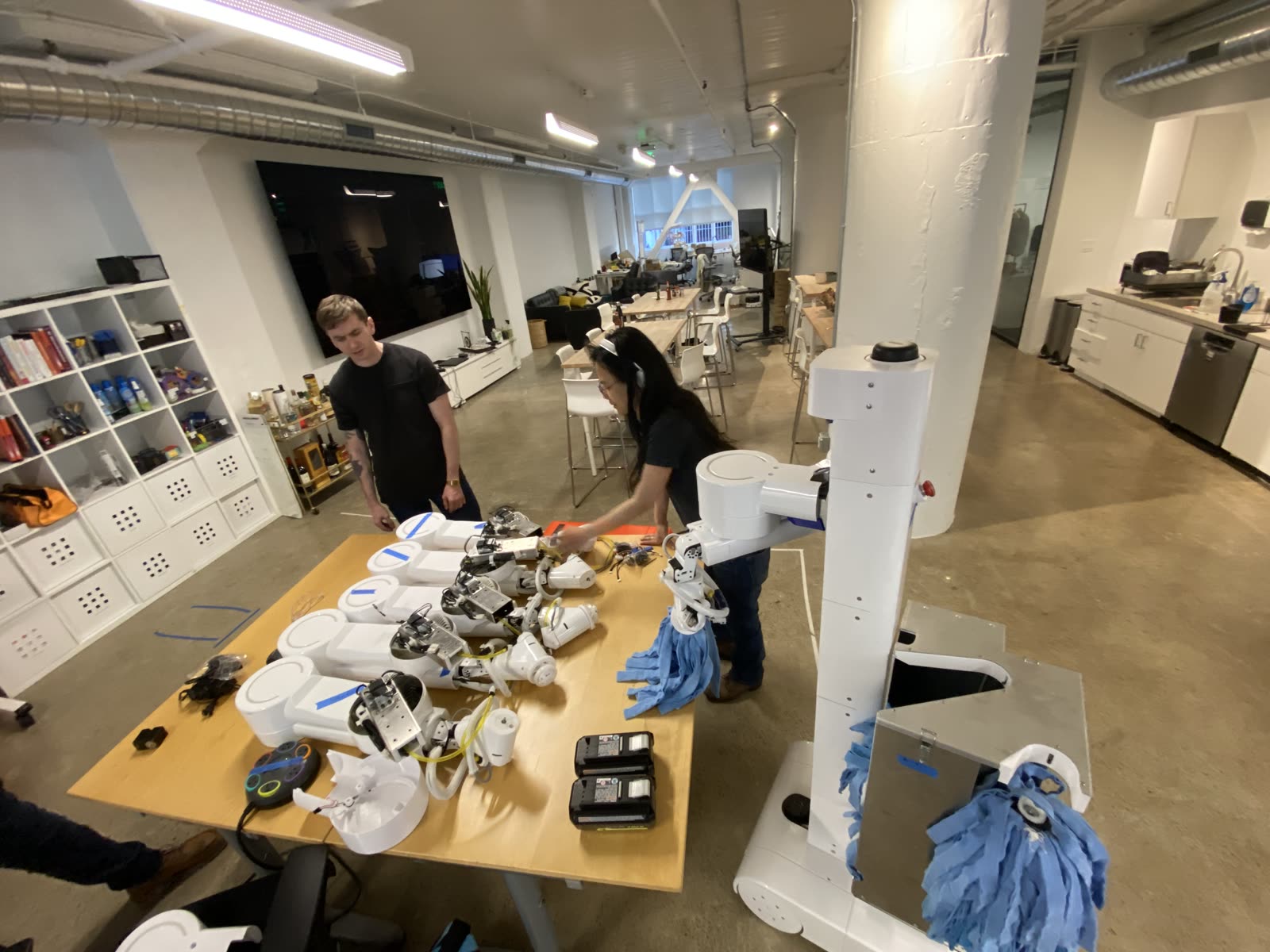
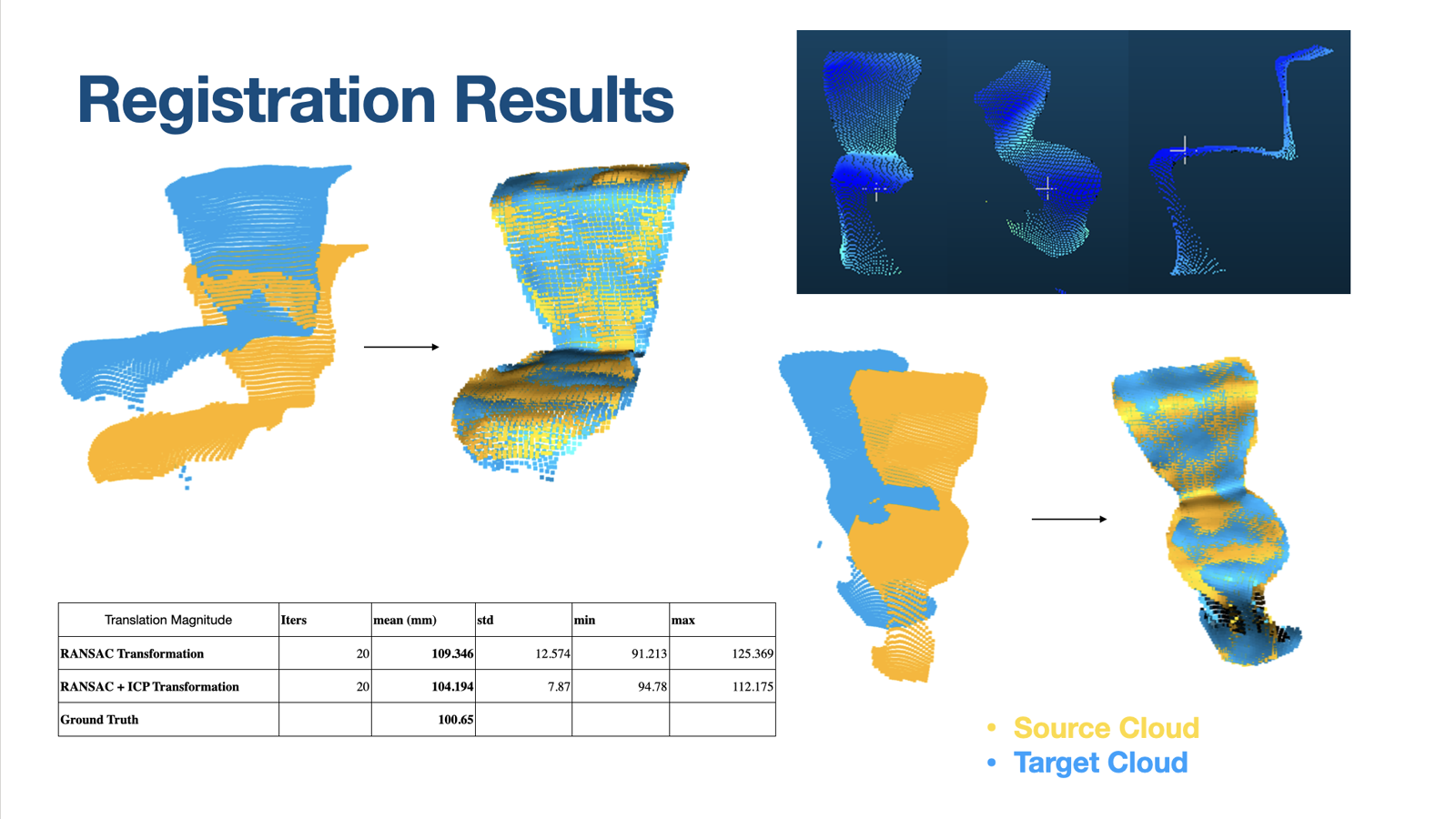
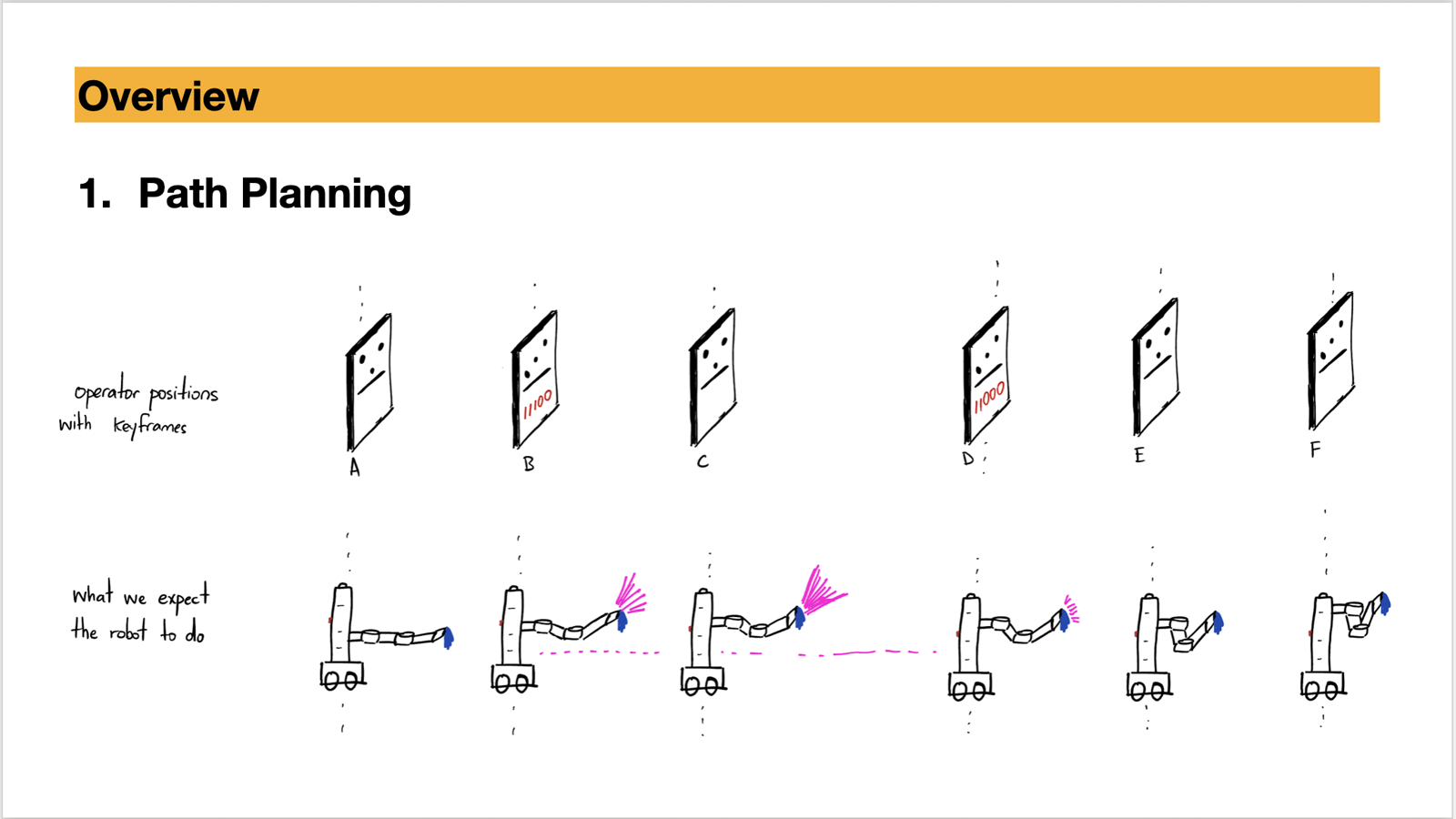
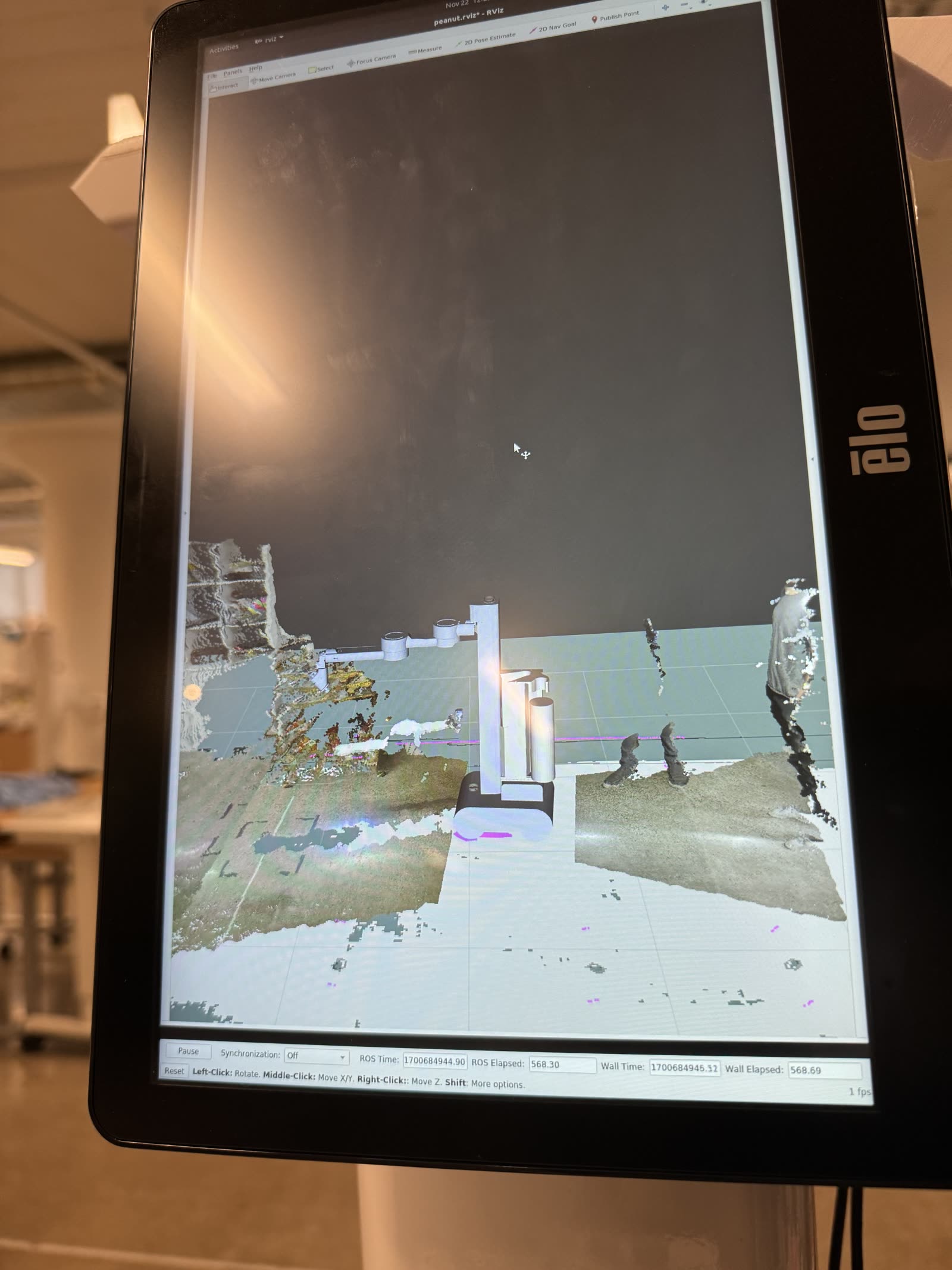
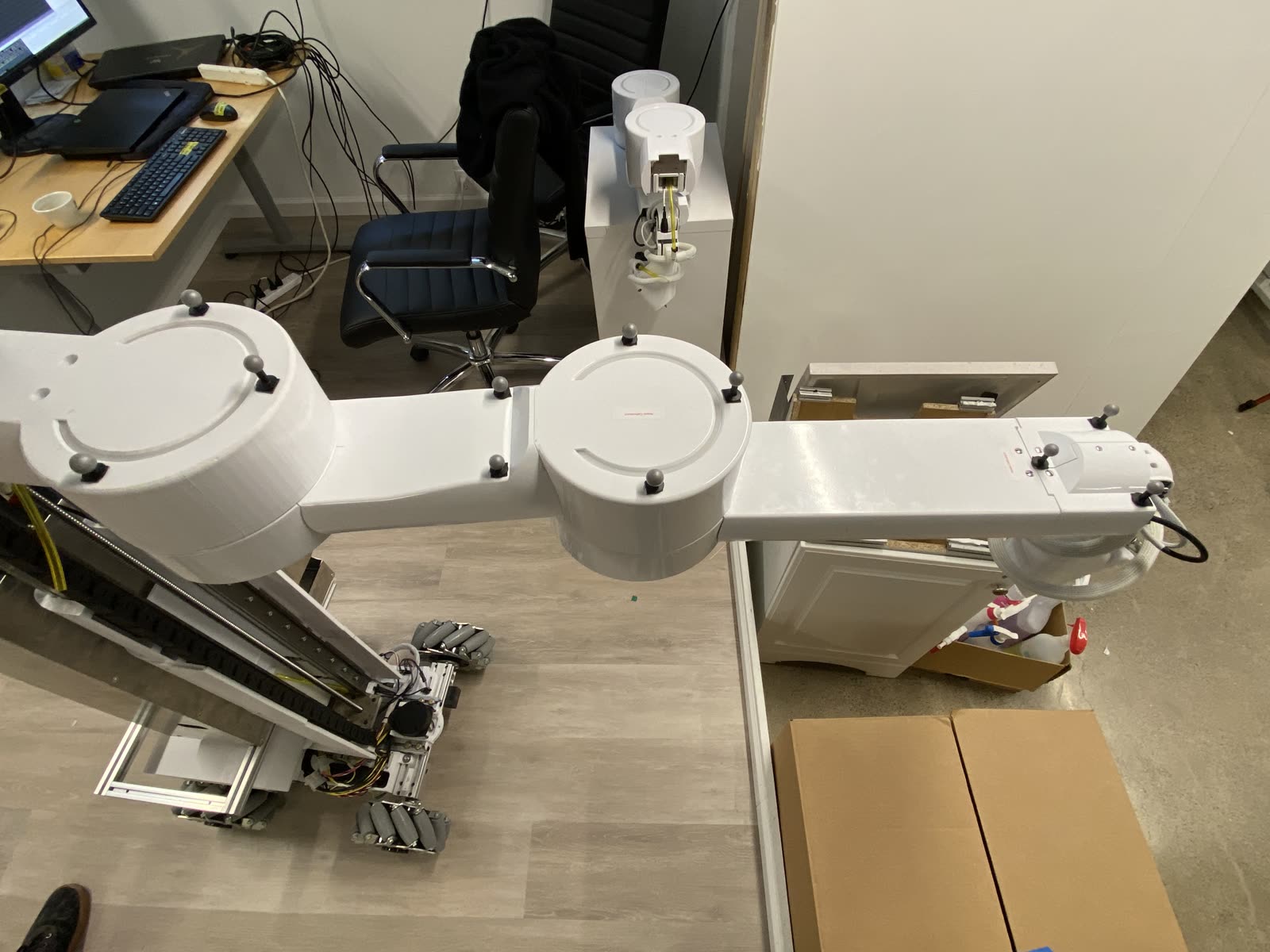
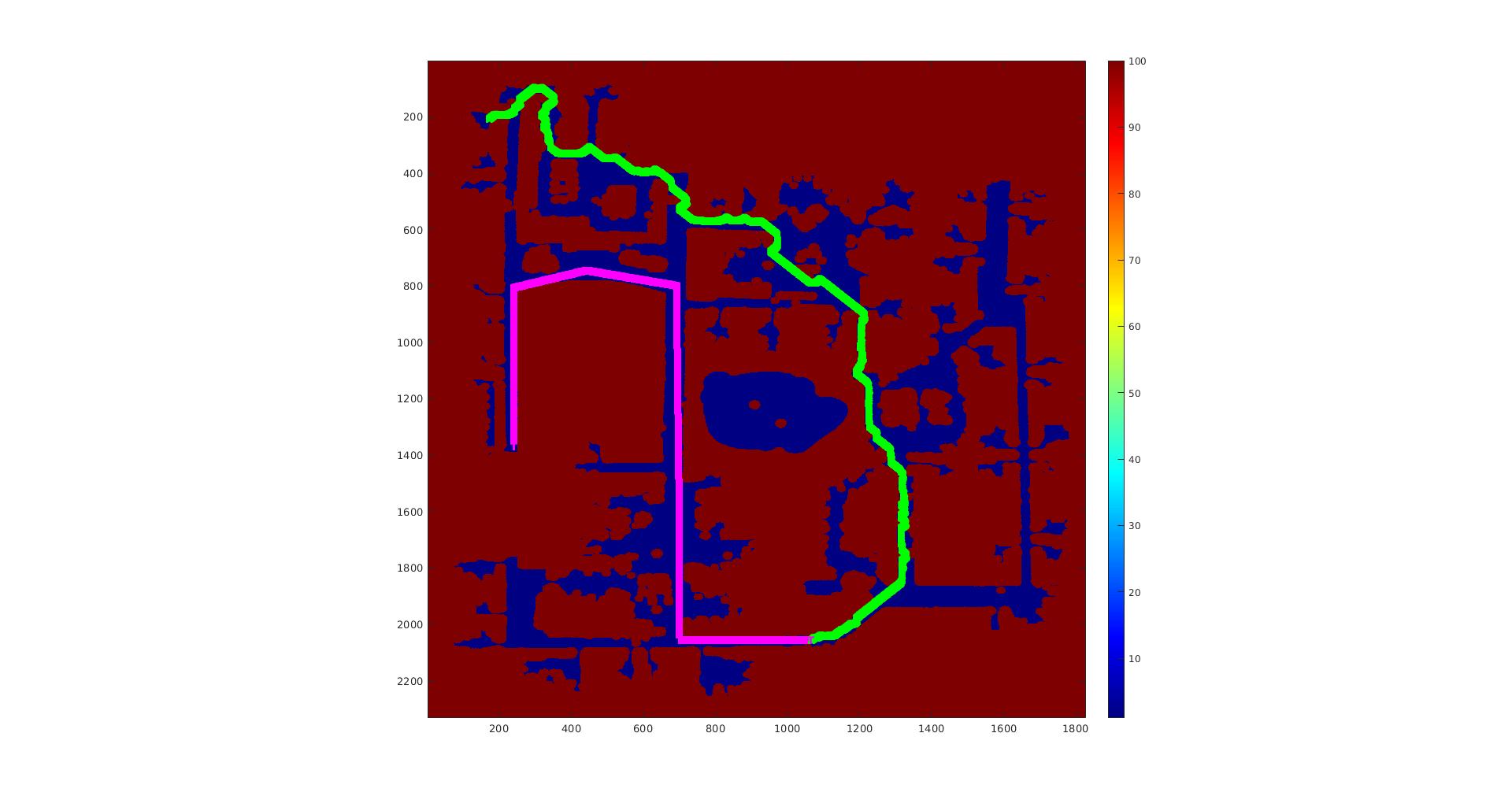
Owned the arm software stack on a mobile manipulator for hotel bathroom cleaning: TOPPRA trajectory generation, ICP+RANSAC vision, depth camera integration, and a live trajectory recording system that cut operator training from hours to minutes.
TOPPRA ros_control ICP / RANSAC C++ OpenCV
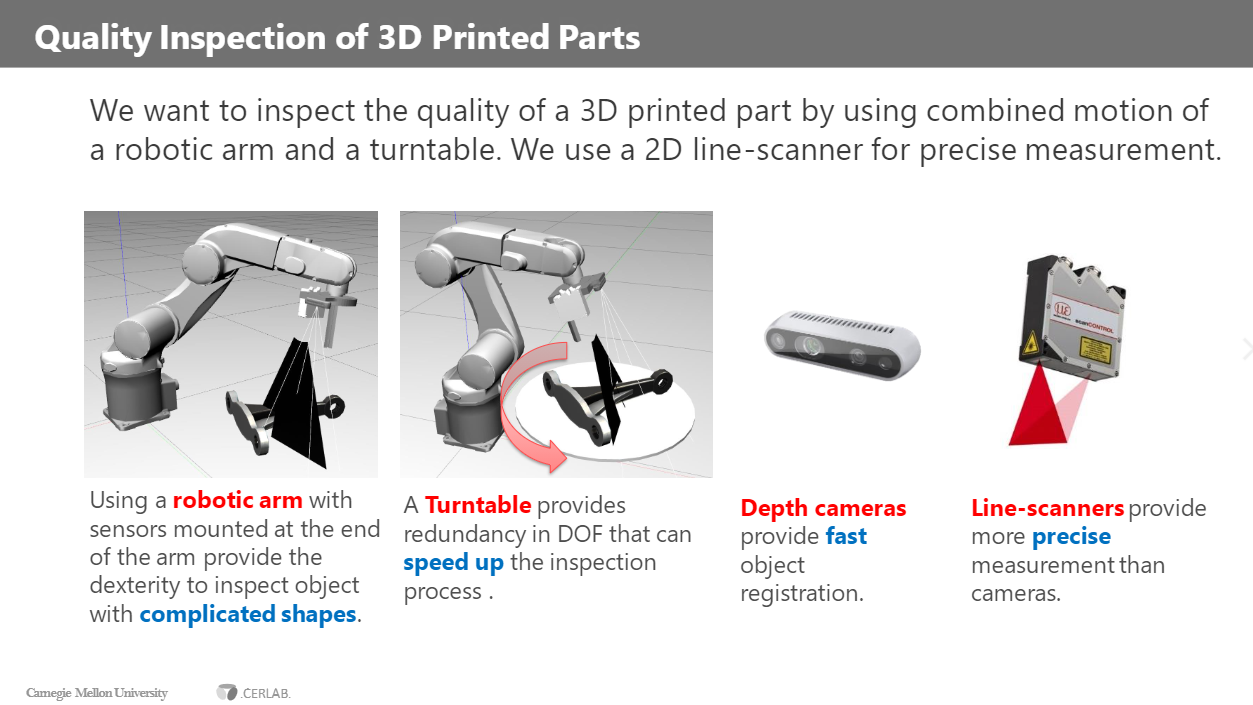
Robotic metrology system for scanning 3D-printed parts
Graduate Research · CMU CERLAB
Robotic post-processing of additive-manufacturing parts
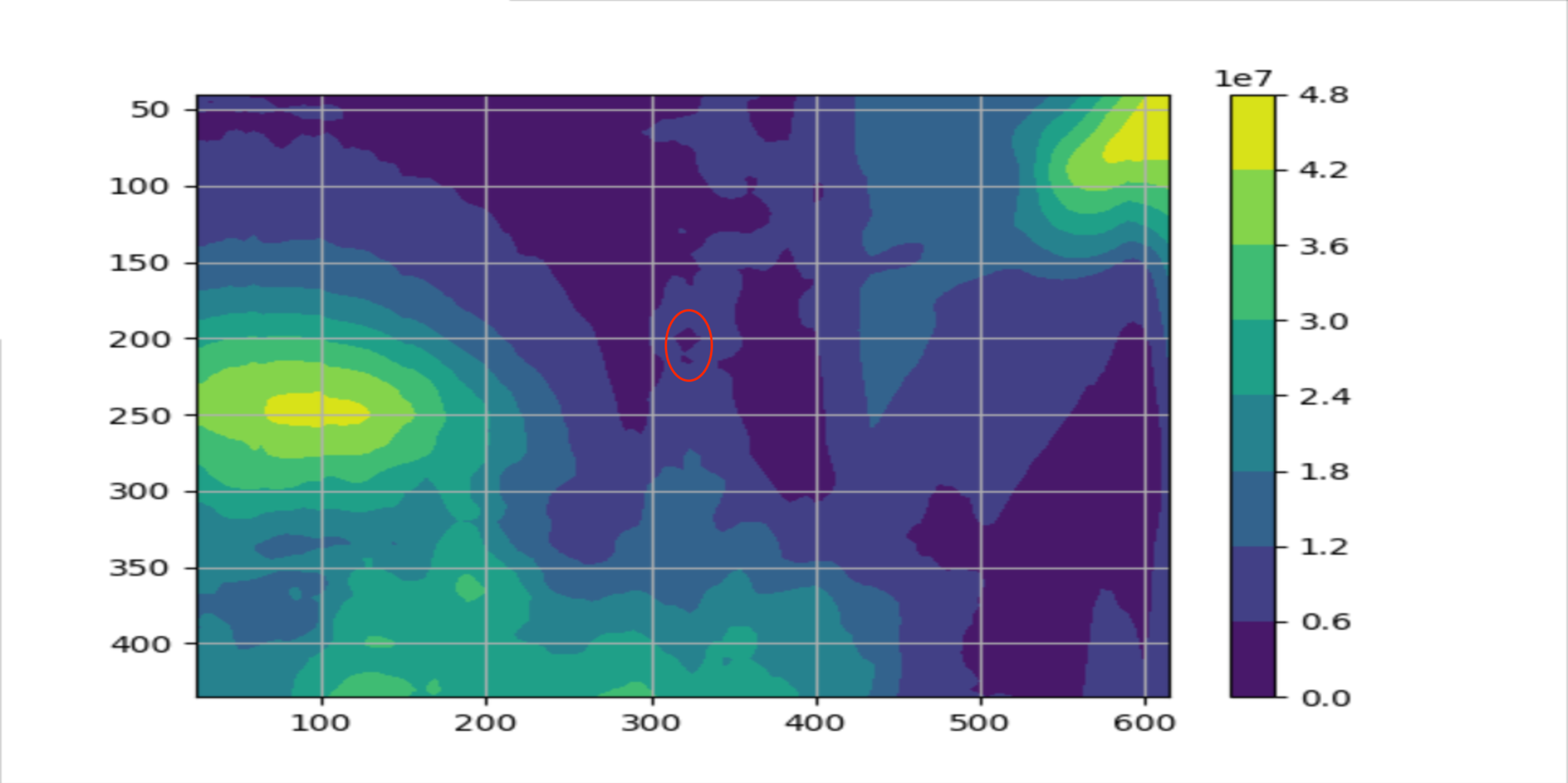
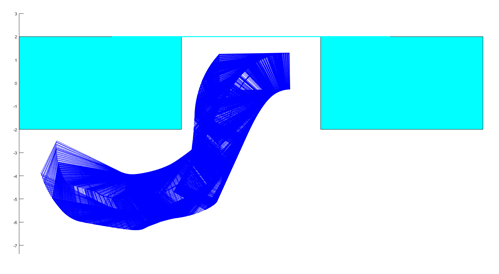
Quality inspection of complex 3D-printed parts: coverage planning for a robot arm and turntable so a line-scanner can fully scan an arbitrary object.
Motion Planning PRM TSP ROS
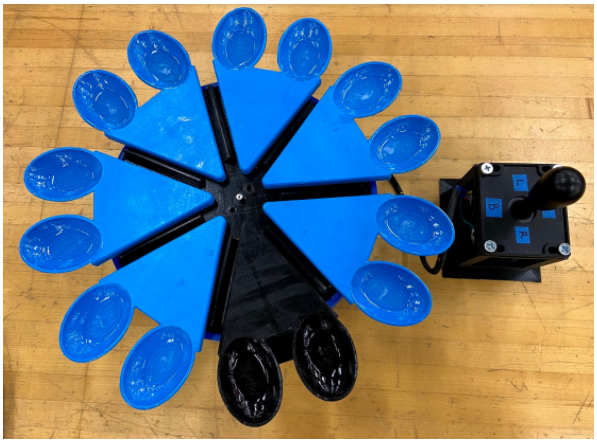
The automated eating apparatus
Senior Capstone · Rose-Hulman · South Korea
Automated eating apparatus, and representing the USA in South Korea
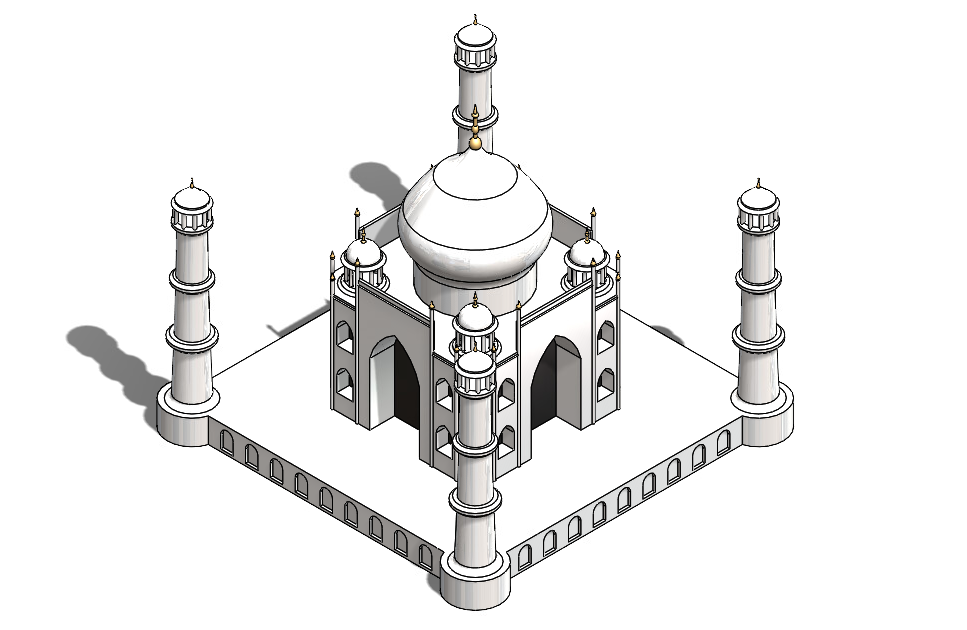
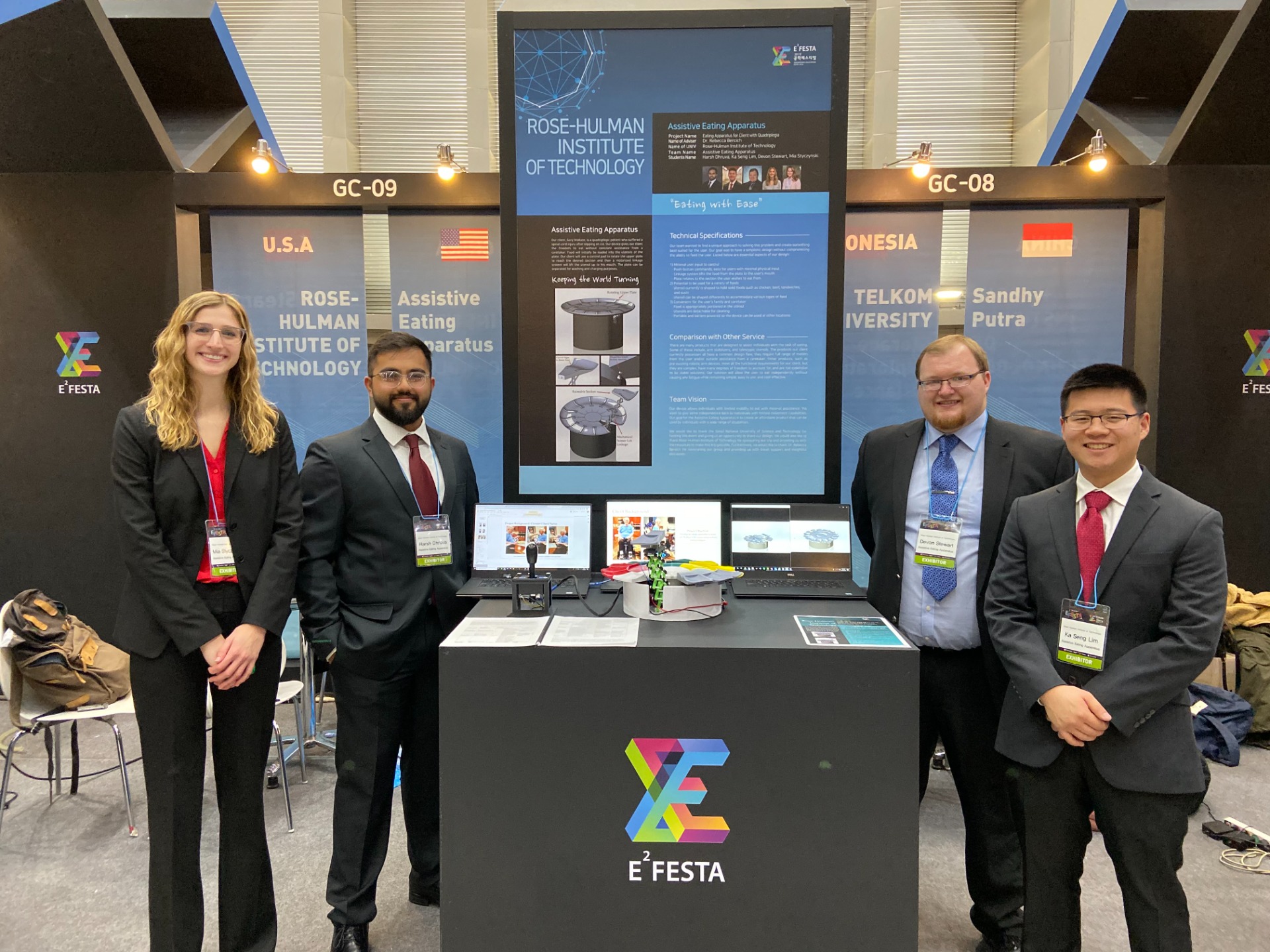
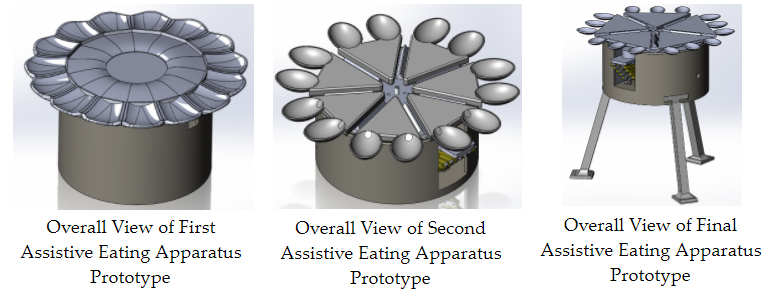
A low-cost robotic feeding device for a quadriplegic client, built over three prototypes at roughly $150 against $5,000 to $10,000 commercial arms. It took us to the E²Festa in South Korea, representing Rose-Hulman and the USA, for a 10th-place finish.
Arduino Mechanical Design Assistive Robotics

Home lab

Ongoing

SO-101 arms on my living-room table, learned policies, and ordinary household jobs. The interesting question is not merely whether a policy works, but what it actually learned when it does. The setup and what I've learned so far →

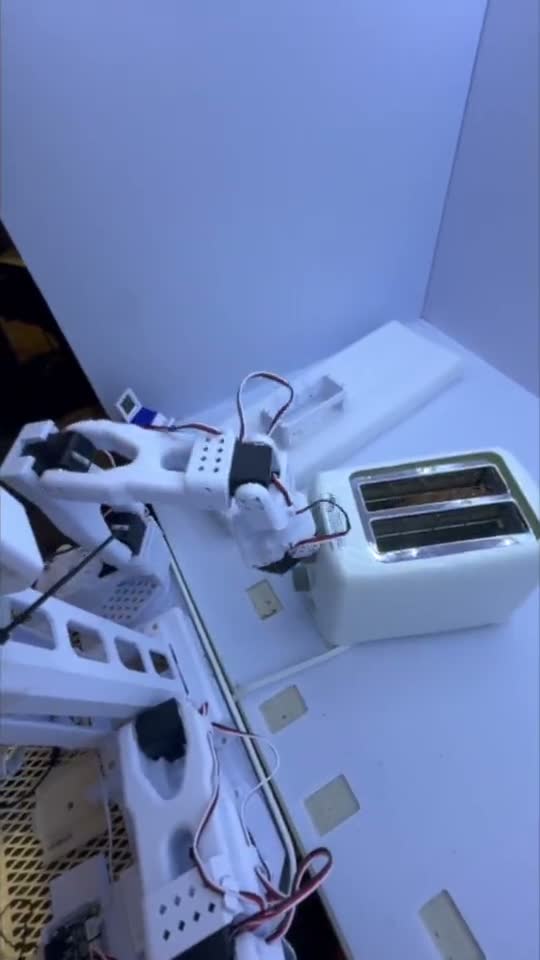
A robot arm placing bread into a toaster
Hackathon · 2 days
Toasting bread
Four people, one weekend: bread into the toaster, press the button, retrieve the toast. Three manipulation problems chained together, solved with ACT and SmolVLA.
ACT SmolVLA Deformable Objects
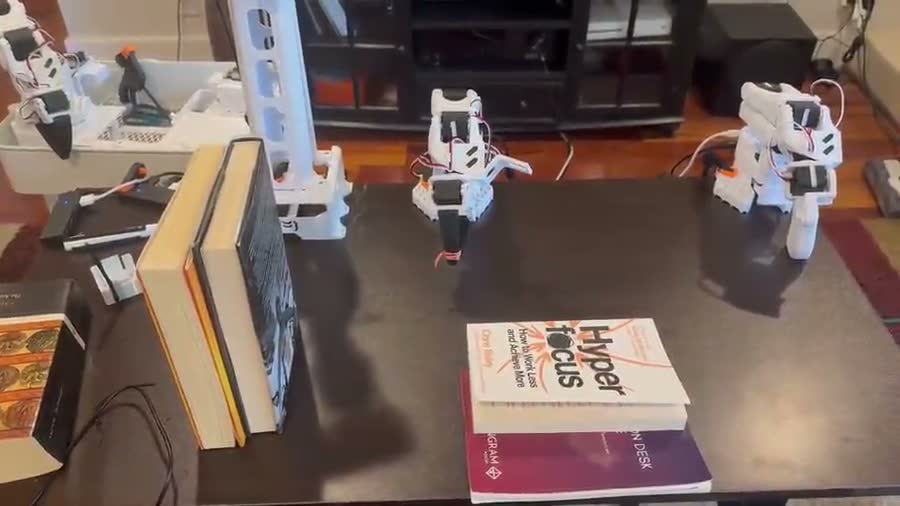
Robot arms picking up and stacking books on a table
Library robot · Ongoing
Picking and stacking books
A plain ACT policy generalized further than expected: it kept working on books it had never seen, and kept working when the book was partly occluded.
ACT Generalization Occlusion
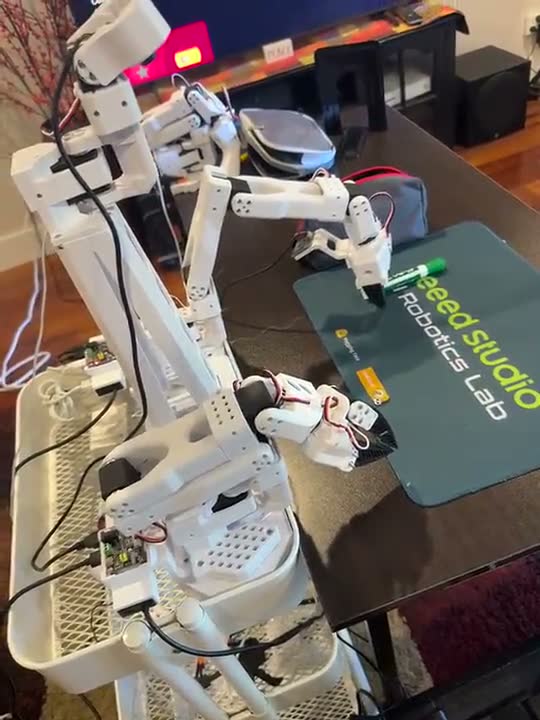
A robot arm picking up a pen from a table
Desk cleanup · Ongoing
The pen task
Five policies on one task. ACT looked like it had solved it, until removing the pouch showed it had memorized a drop location rather than learned the goal. A VLM backbone generalized where the initial data and policies did not.
MolmoAct Diffusion Policy π0.5 VLA

Academic

CMU & Rose-Hulman

Coursework and research from grad school at Carnegie Mellon and undergrad at Rose-Hulman: computer vision, SLAM, controls, assistive robotics, and CAD.

Carnegie Mellon University
Graduate · Carnegie Mellon
CMU projects
Robotic post-processing research, lunar rover perception, legged locomotion, and graduate coursework in computer vision and SLAM.
Computer Vision SLAM Motion Planning
Rose-Hulman Institute of Technology
Undergraduate · Rose-Hulman
Rose-Hulman projects
A year-long assistive-robotics capstone that represented the USA in South Korea, plus controls, machine-learning, and CAD coursework.
Assistive Robotics Controls CAD